Neurodiversity Support
Overview
The Professional Support Service aims to support neurodivergent postgraduate doctors and dentists in training (PGDiTs) to thrive by providing advice, guidance and signposting.
The pages in this section provide information about the neurodiversity support available within the deanery, including our Neurodiversity Assessment and Support Pathway, as well as curated resources and signposts to external peer support networks and services.
Framing Neurodiversity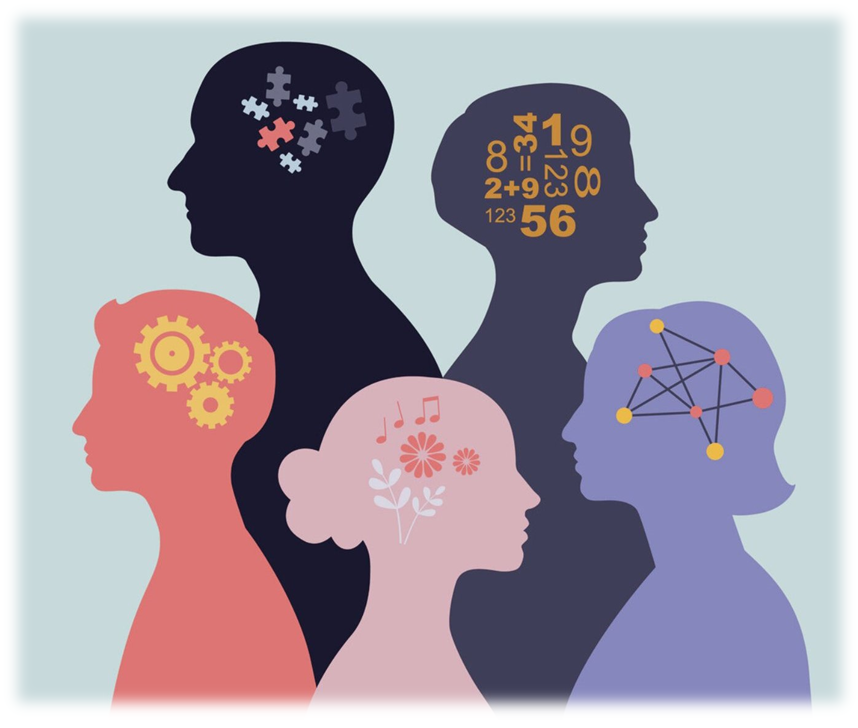
Neurodiversity refers to the natural diversity of our brains and the differences in how we experience the world. Society is neurodiverse: no two minds are the same.
Neurodivergence is a term used to explain cognitive function - the way people think, learn and process information - that varies from the neurotypical majority in society. It is a difference, not a deficit.
Neurodivergent conditions include, but are not limited to, ADHD, Autism, Dyscalculia, Dysgraphia, Dyslexia and Dyspraxia.
Many PGDiTs are discovering they are neurodivergent during their postgraduate training, which has been associated with an increase in societal awareness, trait fluctuations during transition points (i.e. Foundation to Core training; one hospital base to another) and a decreasing ability to rely upon past compensatory (or masking) strategies when the cognitive demands of training and clinical working increase. None of these factors influence or define your capacity or suitability to be a successful medical, dental or public health professional and there are many neurodivergent doctors and dentists currently working in the NHS.
Accessing support
We know that neurodivergence often presents a spiky cognitive profile: individuals can have incredibly valuable strengths and skills, particularly for practicing medicine and dentistry, which are often accompanied by areas of challenge or difficulty and it is important to remember that neurodivergence is heterogeneous - presentations are highly individualistic. One autistic doctor's experiences, strengths and support needs will not be the same as another.
We encourage a personalised approach to support for neurodivergent PGDiTs and strongly discourage a 'one-size-fits-all' assumption.
Many of the most useful supports and strategies are available without a formal diagnosis, including eligibility for reasonable adjustments. An increasing number of individuals choose to self-diagnose or self-identify as neurodivergent, often owing to long assessment waiting lists or a personal preference not to seek a formal diagnosis.
Your own understanding of your cognitive profile and needs is the most important starting point for accessing any support you find you need.